
What Is Flower Preservation?
1. What Is Flower Preservation? A Gentle Guide to Keeping Meaningful Blooms
Flowers often mark moments we wish we could hold onto — weddings, farewells, anniversaries, new beginnings. Flower preservation exists for those moments that feel too important to let fade entirely.
At its heart, flower preservation is the process of carefully drying and setting flowers so they can be kept long-term as a keepsake. Rather than watching blooms wither and disappear, preservation allows them to become something lasting.
Preserved flowers can be transformed into framed pieces, resin keepsakes, jewellery, or small objects designed to be displayed or held. Each approach carries a different feeling, and there is no single “right” way to preserve something meaningful.
What matters most is intention — choosing to pause, to honour a moment, and to keep a physical reminder of it close.
Flower preservation is not about perfection. Natural changes occur, and that is part of the beauty. The goal is not to freeze time, but to carry something of it forward.
2. How Does Flower Preservation Work? From Fresh Flowers to Finished Keepsake
Flower preservation is a slow and deliberate process. It begins the moment flowers are received and continues over weeks rather than days.
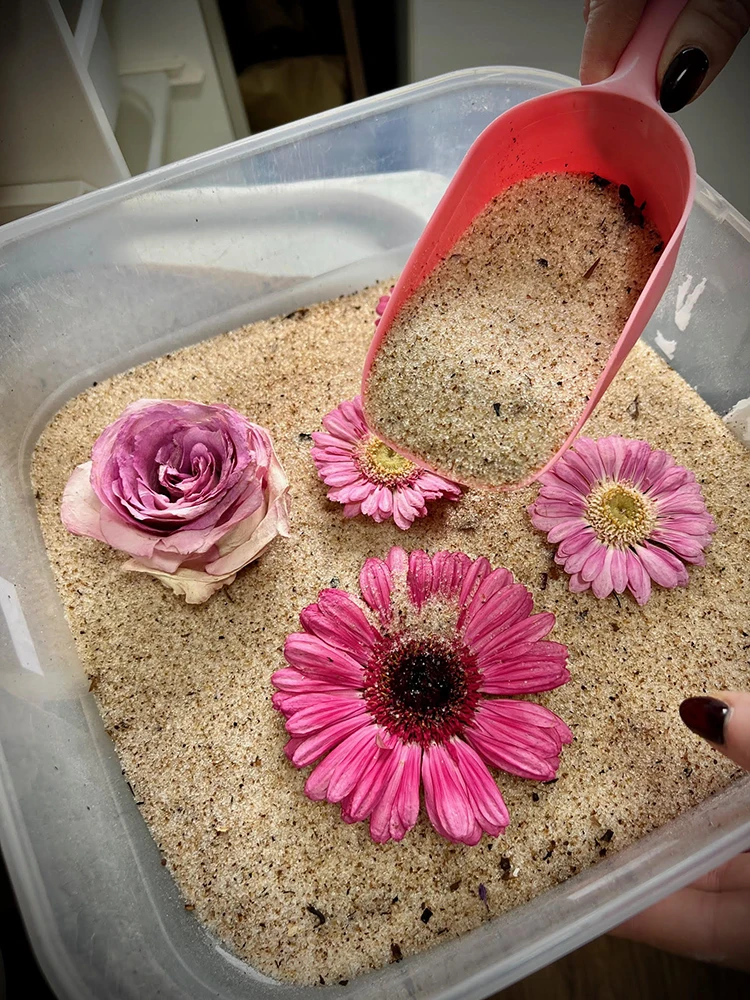
First, flowers are gently dried. This can involve air drying, pressing, or controlled dehydration depending on the flower type and the final piece being created. Drying removes moisture while maintaining as much of the flower’s structure and colour as possible.
Once dried, the flowers are prepared and arranged. This stage requires patience — petals are fragile, and each stem behaves differently. Nothing is rushed.
For resin pieces, flowers are set in layers, allowing each pour to cure fully before the next. For pressed or framed pieces, composition and spacing are carefully considered.
The final stage is curing and finishing. This ensures durability and longevity, allowing the piece to be handled or displayed safely.
Every step prioritises care. These flowers cannot be replaced — and that is always respected.
3. How Long Do Preserved Flowers Last?
This is one of the most common questions, and understandably so.
Preserved flowers are designed to last for many years, but they are not completely unchanged by time. Subtle shifts in tone, texture, or colour can occur — particularly with naturally vibrant blooms.
When kept out of direct sunlight, away from heat, and handled gently, preserved flowers can remain beautiful for decades. Resin pieces, in particular, offer a high level of protection, though they too benefit from thoughtful care.
Rather than thinking in terms of permanence, it can be helpful to think in terms of continuity. Preserved flowers age quietly, much like memories themselves — softened, deepened, but still present.
Longevity is influenced by:
- flower type
- preservation method
- environment
- handling
All of these are considered carefully when creating a piece.
4. Preserving Wedding Flowers: What to Do After the Big Day
Wedding flowers often hold far more meaning than their brief role in the day itself. They’ve been chosen with care, carried through vows, and witnessed a moment of commitment.
If you’re considering preservation, the most important thing is timing. Flowers should be kept cool and dry as soon as possible after the event. Avoid sealing them in airtight containers while fresh, as moisture can cause damage.
Even if a few days have passed, it’s still worth asking — many flowers can still be preserved beautifully.
Preserving wedding flowers isn’t about recreating the bouquet exactly as it was. It’s about honouring the feeling of the day in a form that can be revisited gently, over time.
5. Preserving Funeral Flowers as a Keepsake
Funeral flowers often arrive during moments of grief, when decisions feel heavy and time feels distorted. Preservation offers a quiet way to honour a life without urgency or pressure.
Some people preserve a single bloom. Others choose a small selection. There is no expectation to decide immediately.
Preserved funeral flowers can become:
- a private keepsake
- a framed piece for remembrance
- jewellery held close rather than displayed
The process is always handled with respect. Emotional boundaries are honoured, and conversations are kept gentle.
Preservation does not rush grief — it simply offers a way to hold something tangible when words feel insufficient.
6. Flower Preservation for Anniversaries, Births & Milestones
Not all preserved flowers are tied to weddings or loss.
Many people choose preservation to mark:
- anniversaries
- births
- personal milestones
- moments of transition
A bouquet from a first anniversary, flowers from a naming ceremony, or blooms marking a significant personal achievement can all carry quiet meaning.
Preservation allows these moments to be remembered without display becoming overwhelming. Pieces can be small, subtle, and deeply personal.
Sometimes the most meaningful keepsakes are the ones made without an audience in mind.
7. Pressed Flowers vs Resin Preservation: Which Is Right for You?
Both pressed flower preservation and resin preservation offer lasting ways to keep flowers — but they feel very different.
Pressed flowers are flattened and often framed. They feel delicate, quiet, and traditional. They suit botanical styles and softer compositions.
Resin preservation maintains depth and form. Flowers are encased, allowing them to be viewed from multiple angles. Resin pieces feel tactile and solid, often lending themselves to jewellery or sculptural keepsakes.
Choosing between the two often comes down to:
- how you want to interact with the piece
- where it will live
- how visible you want it to be
Neither is better — only different.
8. Will Preserved Flowers Change Colour Over Time?
All natural materials change with time, and flowers are no exception.
Some flowers deepen in tone. Whites may warm slightly. Bright colours can soften. These changes are gradual and natural.
Preservation methods and care can slow this process significantly, but they cannot stop time entirely — and that’s not a failure.
These subtle changes often make pieces feel more organic, more lived-with. Much like memories, preserved flowers don’t remain static — they evolve.
Understanding this from the outset helps ensure expectations are aligned and appreciation deepens over time.
9. What Flowers Preserve Best (and Which Are More Challenging)
Some flowers preserve more easily than others.
Roses, daisies, and certain foliage tend to respond well to preservation. Delicate blooms with high moisture content or very thin petals can be more unpredictable.
This doesn’t mean challenging flowers can’t be preserved — only that they may change more visibly, or require alternative approaches.
Honesty matters here. It’s always better to discuss options openly than to promise perfection where nature won’t allow it.
Each flower is assessed individually, with care taken to choose the most respectful method.
10. Why Flower Preservation Takes Time: Craft, Patience & Process
Flower preservation cannot be rushed.
Drying alone can take weeks. Resin curing requires full setting between layers. Frames and finishes need time to settle properly.
This slowness isn’t inefficiency — it’s intention.
Working too quickly risks trapping moisture, warping petals, or compromising longevity. Taking time ensures the piece is stable, considered, and durable.
Waiting is part of the craft. And often, part of the healing too.
11. How I Handle Irreplaceable Flowers with Care
Every set of flowers I receive is treated as irreplaceable — because it is.
From the moment they arrive, they are handled gently, stored thoughtfully, and worked with intention. There is no mass production, no automation, no shortcuts.
I work slowly, paying attention to how each flower responds. If something needs adjusting, I pause. If a bloom is fragile, it’s treated as such.
Trust is not assumed — it’s earned, quietly, through care.
12. How to Care for Preserved Flowers and Resin Keepsakes
Preserved pieces are durable, but they benefit from thoughtful care.
Keep them:
- out of direct sunlight
- away from heat sources
- free from excessive moisture
Dust gently with a soft cloth. Avoid harsh chemicals or abrasives.
Resin pieces should not be submerged in water or exposed to prolonged heat.
With simple care, preserved flowers can remain a meaningful presence for many years — something to return to, rather than something to protect anxiously.