
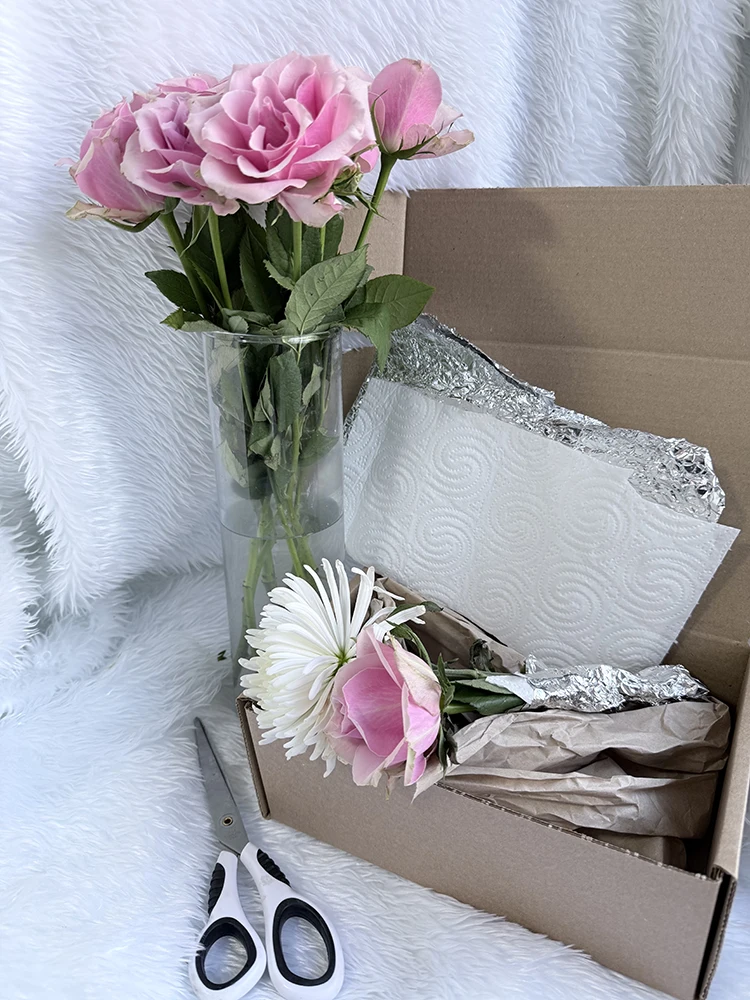
How to Preserve Fresh Flowers for Post-Event Delivery
What You Should Know Before You Post Them
When a wedding day, farewell, or meaningful celebration comes to an end, the flowers often hold more emotion than expected. They have been carried, held, arranged with intention — and suddenly, there is the question of what to do with them next.
If you’re planning to send your flowers for preservation, how they are cared for in the first 24–48 hours makes a significant difference to the final result.
This guide is here to help you feel calm and confident before posting your flowers.
Timing Matters More Than Anything
Flowers preserve best when they are still relatively fresh.
Ideally, flowers should be prepared for postage within one to three days of the event. The longer they sit in water, warm rooms, or without care, the more natural deterioration begins — and while preservation can still be possible, colour and structure may change more noticeably.
If you are unsure whether your flowers are still suitable, it is always worth asking. Many blooms can still be preserved beautifully even if a few days have passed.
Before You Package Your Flowers
Once your event has finished, a few gentle steps can help protect your flowers before they are sent.
- Keep them somewhere cool, away from direct sunlight.
- Remove excess water from wrapping or bouquet stems.
- Avoid sealing fresh flowers in airtight plastic, as trapped moisture can cause browning or mould.
- If possible, allow stems to dry slightly before packaging.
Flowers do not need to be perfectly arranged before sending — they will be carefully dismantled and assessed on arrival — but minimising moisture and heat exposure is key.
Packaging Flowers for Safe Transit
Flowers are delicate, but with thoughtful packaging they travel surprisingly well.
When preparing your parcel:
- Use a sturdy box that allows space around the flowers.
- Wrap blooms gently in tissue or paper to protect petals.
- Avoid bubble wrap directly touching petals, as condensation can form.
- Fill empty space in the box to prevent movement during transit.
- Choose a tracked next day delivery service to reduce time in transit.
If you are sending a bouquet, it does not need to remain tied. In fact, loosening it slightly can reduce pressure on central blooms.
The goal is not perfection — it is protection.
What Happens When Your Flowers Arrive
Once received, your flowers are carefully unpacked and assessed.
Each bloom is examined individually. Some may be perfect for three-dimensional preservation using silica drying, while others may be better suited to pressing. Occasionally, a flower may be too far past its best — and if that happens, it will always be communicated gently and honestly.
Preservation begins as soon as possible to retain as much colour and structure as nature allows.
Common Mistakes to Avoid
There are a few well-meaning actions that can unintentionally damage flowers before posting:
- Storing bouquets in water for too long after the event.
- Leaving flowers in a warm car overnight.
- Sealing them in airtight containers while still damp.
- Spraying them with products in an attempt to “refresh” them.
Flowers are organic materials. Simplicity and cool storage are always best.
A Gentle Reassurance
Sending your wedding or memorial flowers through the post can feel daunting. They are often irreplaceable. It is completely normal to feel protective of them.
Please know that preservation begins with care long before the creative process starts. From the moment your parcel arrives, your flowers are treated with the understanding that they carry meaning beyond their petals.
If you ever feel unsure at any stage — whether before booking or while preparing to send — you are always welcome to ask questions. The process should feel steady and supported, never rushed.
Considering Flower Preservation?
If you are thinking about preserving wedding flowers, funeral flowers, or blooms from a meaningful occasion, preparing them thoughtfully for delivery is the first step in ensuring a beautiful and lasting result.
Flower preservation is not about freezing time. It is about honouring a moment carefully and allowing it to be held in a different form.
When you’re ready, I’m here to guide you gently through the next steps.